

You’ve finally made it to French Polynesia, a far-flung archipelago of 118 islands scattered across the South Pacific. With islands spread over an area larger than Europe, getting around isn’t as simple as it looks on the map. When planning a trip to French Polynesia, it’s worth knowing how you’ll travel between and within the islands.
French Polynesia rewards divers who plan ahead, not only because of its remoteness and cost but because the experience is so much richer when you can balance reef encounters with cultural immersion. Let’s explore the best ways to move through these islands!
Make sure to travel with a plan

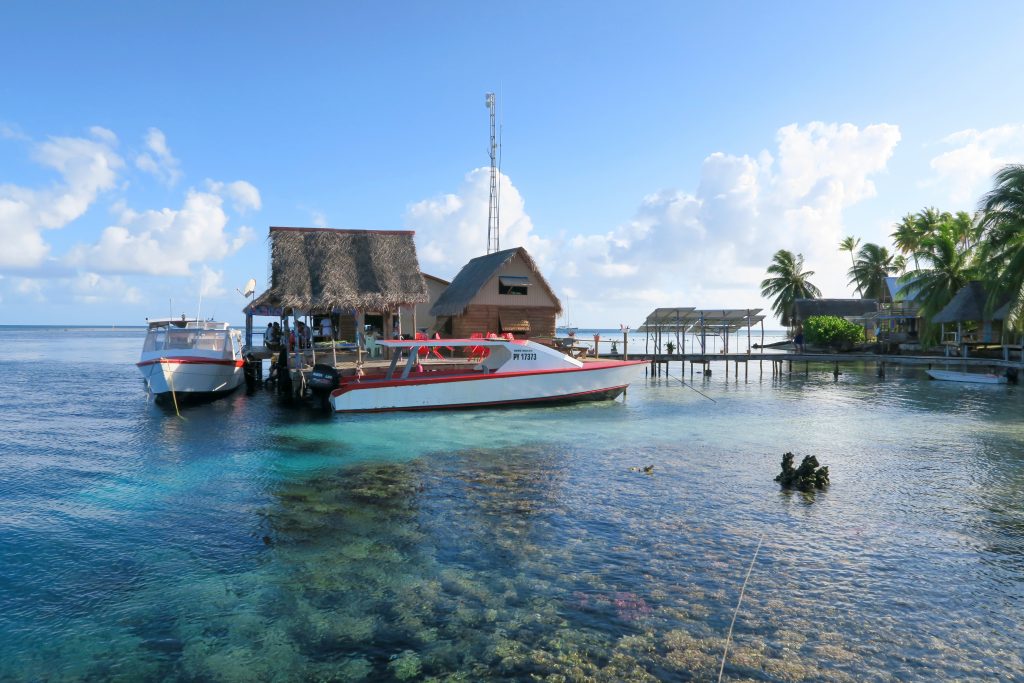
On Tahiti and Moorea, renting a car gives you complete freedom to explore dive centres, beaches, viewpoints, and local markets at your own pace. Roads are well-maintained, and traffic outside Papeete is generally light. The ferry between Tahiti and Moorea is the only vehicle-carrying service in French Polynesia. It offers a fast, scenic, and cost-effective way to travel. The crossing takes around 30 to 45 minutes, and taking a rental car on board is an excellent option if you want to explore both islands independently.
Public transport does exist, mainly in Papeete and its suburbs, but routes around the island of Tahiti are available, with infrequent schedules and limited flexibility. Prefer renting a car if you’re short on time. Note that there are no ride-hailing apps available in Tahiti and Polynesia in general, only local taxis.
Beyond Tahiti and Moorea, Air travel remains the backbone of island-to-island connections, especially to the Tuamotu islands, which gather the best diving spots of Polynesia. Air Tahiti’s domestic network links most inhabited islands, and their multi-island passes are ideal for combining dive destinations across different archipelagos. Air Moana has been offering flights since 2022, serving the six islands of the Society Archipelago, the Tuamotus, and the Marquesas. It’s a convenient system, but flights can be infrequent, so aligning your dive days, rest days, and no-fly times requires some careful planning.
Once you venture farther into the archipelagos, travel takes on a slower rhythm. On smaller islands and atolls like Fakarava, Rangiroa, or Hiva Oa, transportation is usually arranged directly by your guesthouse or dive centre. They’ll pick you up at the airport (sometimes directly by boat) or arrange transportation with a local driver.
Public transportation

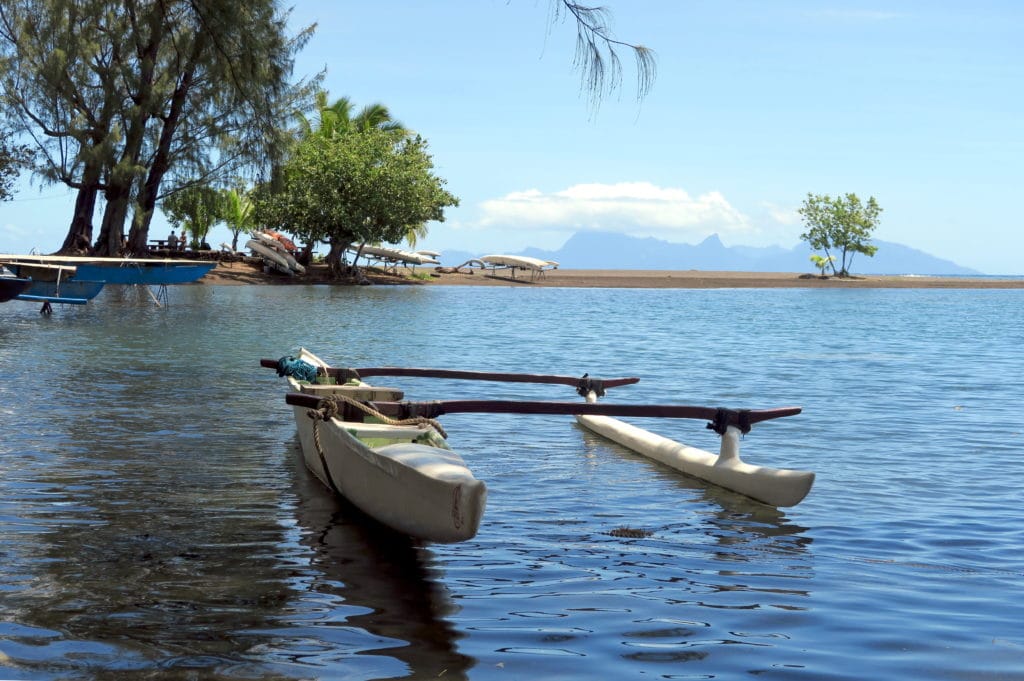
Here are the different options of public transportation you can use while travelling across French Polynesia:
- Buses: Unlike most Polynesian islands, Tahiti has a relatively efficient and affordable public transport network with about twenty bus lines covering the main island. In and around Papeete, buses run frequently from early morning until around 5–6 p.m., serving the city and the airport, although service is reduced on Saturdays and stops entirely on Sundays. Beyond the capital, routes are less frequent, with roughly one bus per hour, and travel times can be lengthy. On other islands, public transport is minimal to non-existent.
- Boats & Ferries: The Apetahi Express connects Tahiti with the Leeward Islands on a modern high-speed catamaran. The journey takes about three hours from Tahiti to Huahine, then continues with one-hour legs between Huahine, Raiatea, Taha’a, and finally Bora Bora. Each island stop includes a short 30-minute break for passengers to disembark or board. Technically, you can step ashore during these stopovers, but it’s generally best to stay on board to ensure smooth, on-time departures. Alternatively, but only between Tahiti and Moorea, you can hop on the Aremiti to explore both islands with a rental car. In the Tuamotu Archipelago, scuba divers can hop on a diving liveaboard on a catamaran cruising between some of its islands.
- Hiring a driver: In Tahiti, taxis are readily available in Papeete and at the international airport, primarily for hotel transfers or evening trips when public transportation has stopped (or super early in the morning when you need to catch a plane at dawn at Faaa Airport). Fares are moderate for short rides but rise quickly with distance, making taxis best suited for occasional use rather than island touring. For added flexibility, private drivers and chauffeur services are available through local companies that offer transfers or hourly hire. Outside Tahiti, taxis are rare, and most travellers rely on prearranged transfers through their accommodation. Note that there are no ride-hailing apps available in Tahiti or Polynesia in general; only local taxis are available.
Renting a car

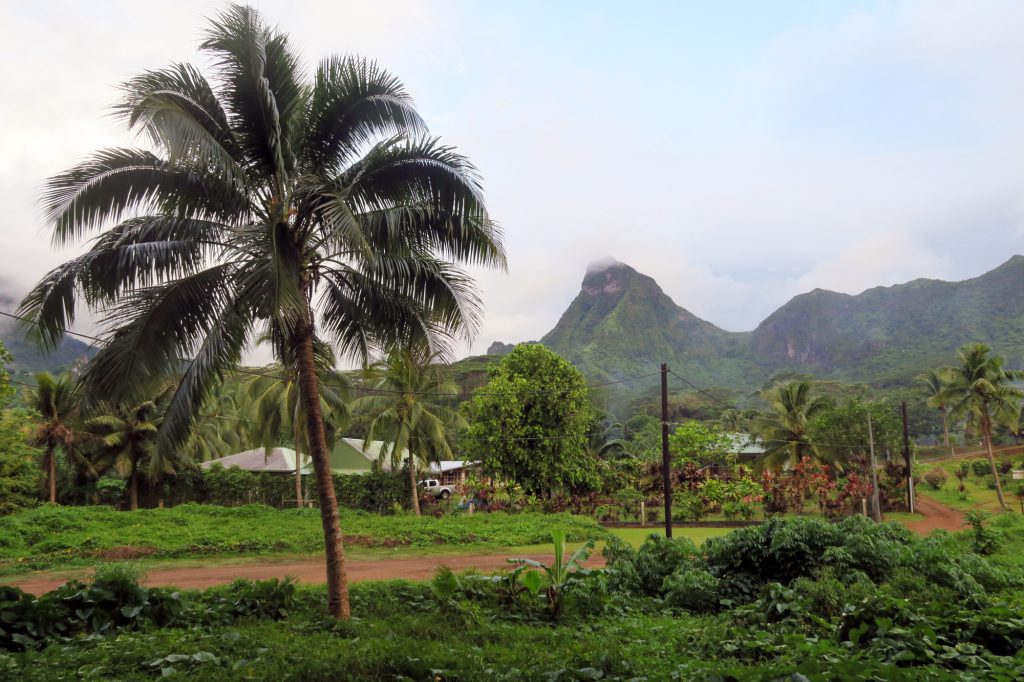
Renting a car is one of the easiest and most flexible ways to explore the larger islands of Tahiti and Moorea. Several international and local agencies operate at Faa’a International Airport, in downtown Papeete, and near the ferry terminal, making pick-up and drop-off simple. On Moorea, rental desks are available at the ferry dock and the airport, with returns usually possible at either location. Smaller islands, such as Huahine, Raiatea, and Bora Bora, also have limited car rental options; however, bookings should be made in advance due to the smaller fleets.
Driving in French Polynesia follows the right-hand traffic rule, just like in mainland France. Roads on Tahiti and Moorea are paved and generally in good condition, circling most of the islands; however, some inland routes may be narrow or unpaved. A valid driver’s license from your home country is sufficient for short stays, and an international permit is not required for visitors from most countries. As a rule of thumb, countries that require a visa also need an international driver’s license. However, it’s always a good idea to check with the Embassy in your country before travelling to confirm the requirements.
Internal flights


With 118 islands scattered across five vast archipelagos, air travel is the main way to move between destinations in French Polynesia. The national carrier, Air Tahiti, operates most domestic routes, connecting Tahiti with the Society Islands, Tuamotus, Marquesas, and Austral Islands. Their multi-island passes make it easy to visit several islands in one trip. At the same time, Air Moana, a newer airline, offers additional services on some routes, providing more flexibility and competitive fares. Flights are frequent between the Society Islands but less so to the remote atolls, so booking is recommended – especially in peak season.
For divers, it’s essential to note that the baggage allowance is typically 23 kg for checked luggage and 5 kg for carry-on luggage. However, both airlines offer an additional 5kg allowance for scuba equipment for certified divers after providing proof of certification, such as a certification card, logbook (Air Moana), or a declaration from the diving club with specific diving dates (Air Tahiti). As some planes are smaller turboprops, packing light and using soft dive bags is recommended.
Getting around French Polynesia from Tahiti


Tahiti is where every journey in French Polynesia begins. From this central hub, travellers connect to the outer archipelagos by air, choosing between single routes or multi-island passes that link the Society, Tuamotu or Marquesas Islands. The flight network is extensive but limited in frequency, so timing your transfers well makes a big difference. For those diving in French Polynesia, this planning becomes even more critical due to the need to plan for no-fly time. Here are some of the best routes to get to the following locations:
- To/from Fakarava & Rangiroa: Fakarava and Rangiroa are the two most accessible atolls in the Tuamotu Archipelago, but there are no ferries linking them to Tahiti; the only way to get there is by air. Air Tahiti and Air Moana operate several weekly flights from Papeete, with a direct flight time of around 1 hour. Some flights stop briefly in Rangiroa or other atolls before continuing to Fakarava, so it’s worth double-checking your route when booking.
- To/from Manihi: The atoll lies in the Tuamotu Archipelago and is accessible only by air; there are no ferry connections available. Being much smaller, Air Tahiti only operates a few direct flights from Papeete perweek. It is also possible to reach Manihi and other smaller atolls like Tikehau with a short stop in Rangiroa. The direct flight takes around 1 hour and 45 minutes. These flights can fill up quickly due to their limited availability. Make sure to book in advance.
- To/from Bora-Bora: Bora Bora is one of the easiest islands to reach from Tahiti, with several daily flights operated by Air Tahiti. The journey takes approximately 50 minutes, and all flights land on a small motu (island) just outside the main island. Passengers then continue by boat to reach the town of Vaitape or their resort. These transfers are well-organised and often included in your accommodation package, but it’s worth confirming the details before you arrive. You can also travel by boat from Tahiti to Bora-Bora now: The Apetahi Express ferry offers regular shuttles between Tahiti and Bora-Bora, with a travel time of approximately 7 hours as it stops on several islands before.
- To/from Moorea: The easiest and most popular route from Tahiti to Moorea is by ferry. Boats depart several times a day from Papeete’s main port and arrive about 30–40 minutes later in Vaiare, Moorea. For divers, the ferry is ideal if you still have no-fly time. Alternatively, you can take a short flight with Air Tahiti or Air Moana, which takes only 10 minutes. However, once you factor in check-in and transfers, it rarely saves much time compared to the ferry.
- To/from Hiva Oa: The island belongs to the Marquesas Archipelago, around 1,400 km northeast of Tahiti, and the only practical way to reach it is by air. Air Tahiti and Air Moana operate several weekly flights from Papeete. The direct flight time is approximately 3.5 hours, while longer flights typically stop in Nuku Hiva or another island along the route. The only possibility to reach the Marquesas Islands by boat is with the Aranui liner, which is both a cruise ship and a cargo ship.
Do you need more information to plan your trip to French Polynesia?
Check these additional articles about travelling and scuba diving in French Polynesia: