

You’ve made it to Hawaii – a remote chain of islands scattered across the middle of the Pacific, each with its own landscapes, dive sites, and rhythm. Getting around here isn’t just a detail of your trip; it’s part of the experience. Before anything else, decide which islands you want to visit and how they connect when you are planning a trip to Hawaii.
Because the islands are separated by open ocean, travelling around Hawaii usually means combining inter-island flights with local transportation once you arrive. Each island works a little differently, and knowing how to move between and within them will save you time and make it much easier to plan your dives and explore at your own pace.
Flying and car rental – my favourite option


Hawaii can feel deceptively simple on a map, but once you start planning, the distances between islands quickly shape your itinerary. After trying different options, I found that combining short inter-island flights with a rental car on each island was by far the most practical approach. Since there are no ferries between most islands, flying is unavoidable anyway, and with frequent connections from hubs like Honolulu, Kona, and Kahului, it’s relatively easy to move around without losing too much time.
To make the most of the trip, I chose to focus on just two islands rather than rushing through more. Maui and Big Island (Hawai’i island) turned out to be a perfect combination, offering very different landscapes and dive experiences without spending too much time in transit. Flights between the islands are short – often under an hour – and can even become part of the experience. I still remember flying over Molokini Crater on a small propeller plane, with a clear view of the reef structure from above. Just keep in mind that, as a diver, you’ll need to plan your schedule carefully and respect the recommended no-fly time after diving before boarding your next flight.
On every island I visited, renting a car felt essential, especially with dive gear. Public buses are available, but they have luggage restrictions and don’t always reach harbours or early departure points. Having my own car made it much easier to reach dive centres and harbours, explore different coastlines, and go shore diving independently. Prices can fluctuate quite a bit, so it’s worth booking early and checking again as your travel dates approach.
Public transportation
- Bus: Public buses exist on several Hawaiian islands, though their usefulness depends greatly on where you’re staying. On Oahu, the system is the most developed. TheBus connects Honolulu with many parts of the island, including Waikiki, Pearl Harbour, and the North Shore, and is widely used by both residents and visitors. Oahu also introduced the Skyline rail line, which currently links parts of western Honolulu.
On the Big Island, the Hele-On Bus operates routes across the island, including the long journey between Kona and Hilo. Locals often call it “Let’s Go,” and one unusual feature is that it’s currently free. All buses run from Monday to Saturday. Because the island is so large, however, travel times can be long and schedules less frequent than what you might expect in a major city. On islands such as Maui and Kauai, buses mainly connect larger towns and harbours rather than remote beaches or dive sites.
- Ferry: Ferries play only a small role in transportation across Hawaii today. The remaining route is the passenger ferry between Maui and the neighbouring island of Lanai. It departs from Lahaina Harbour in West Maui five times a day and takes about 45 minutes, making it an easy option if you want to explore Lanai for the day.
- Taxi and ride-hailing apps: Taxis, Uber, and Lyft are available on the main islands, especially in busy areas such as Honolulu or resort towns on Maui. They can be convenient for short trips, airport transfers, or evenings out, but fares can add up quickly if you rely on them for longer distances. Availability also tends to drop in quieter rural areas, particularly on the Big Island.
Another option is to hire a private driver or guide for the day. Several operators offer island tours in comfortable SUVs, which can be a good solution if you have limited time and want to see multiple highlights without worrying about navigation or parking. It’s by far the most expensive option, but it can make sense if you prefer a more relaxed, guided experience between dives or sightseeing stops.
Regional flights
Domestic flights are the main way to travel between the Hawaiian islands. Several airlines operate frequent inter-island connections, including Hawaiian Airlines, Southwest Airlines, and Mokulele Airlines. The busiest routes link Honolulu on Oahu with Kahului on Maui, Lihue on Kauai, and both Kona and Hilo on the Big Island. times usually range from 20 to 50 minutes.
Mokulele Airlines also operates smaller propeller planes connecting less-served airports such as Molokai and Lanai. These flights often feel more like a scenic aerial tour than a typical airline journey, with beautiful views over volcanic craters, coral reefs, and dramatic coastlines along the way.
For divers, it’s important to pay attention to baggage limits, as they can vary significantly between airlines. Mokulele Airlines is the most restrictive, typically allowing around 23 kg for checked luggage and about 6 kg for carry-on, while Hawaiian Airlines permits a more generous carry-on allowance of up to 11 kg. Hawaiian Airlines and Southwest Airlines generally accept sports equipment, including dive gear, as part of your checked baggage, whereas Mokulele can charge an additional fee for a separate equipment bag. Keeping these differences in mind – and packing as efficiently as possible – makes moving between islands much smoother.
Renting a car
In practice, renting a car is often the easiest way to explore Hawaii, especially if you’re travelling with dive gear. Many beaches, harbours, and scenic coastal viewpoints are far from bus routes, and early-morning boat departures rarely line up with public transportation schedules.
Maui is a good example. During my visit, I rented a car because travelling with large scuba bags on the local buses would have been complicated. The only dive site where a car wasn’t really necessary was Mala Wharf in Lahaina, which sits within walking distance of the town centre. Rental prices can fluctuate with demand, so it’s worth booking early and checking again as your travel dates approach to see if rates have dropped.
On quieter islands like Molokai, renting a car becomes even more practical. The island has a single two-lane highway running from one end to the other, making it easy to navigate, but public transport options are extremely limited. Having your own vehicle simply gives you the freedom to explore the island’s beaches, cliffs, and small local communities at your own pace.
Getting around Hawaii from Oahu Island (Honolulu)


Getting around Hawaii from Oahu is relatively straightforward, as the island acts as the main transport hub of the entire archipelago. Honolulu is the primary international gateway to Hawaii, and Daniel K. Inouye International Airport offers the most inter-island connections in the state. From here, frequent short flights link Oahu with Maui, the Big Island, Kauai, and the smaller islands. Once you understand how these routes connect the islands, it becomes easy to build an itinerary that balances travel time with time in the water.
- To/from Maui: Maui is one of the most popular islands to combine with Oahu. Flights from Honolulu to Kahului take around 40 minutes and operate many times a day. Most visitors rent a car upon arrival to explore the island and reach the main harbours and dive centres. From Kahului Airport, most dive centres and harbours are within an hour’s drive.
- To/from the Big Island: The Big Island lies to the southeast of Oahu and is easily reached by air. Several daily flights connect Honolulu with both Kona on the west coast and Hilo on the east coast, with flights typically taking around 50 minutes.
- To/from Kauai: Kauai sits northwest of Oahu, and is another easy hop by plane. Flights from Honolulu to Lihue typically take about 40 minutes. Kauai feels noticeably quieter than Oahu, and renting a car is the easiest way to reach the island’s beaches, hiking trails, and boat departures.
- To/from Molokai: Molokai lies between Oahu and Maui and remains one of the least developed islands in Hawaii. Several daily flights connect Maui with Molokai Airport, often operated by small propeller planes that offer impressive views over the reefs and cliffs during the short flight. Once on the island, distances are small, but renting a car is still the easiest way to explore Molokai’s coastline and villages.
Getting around Hawaii from Hawai’i Island (Big Island, Kona)

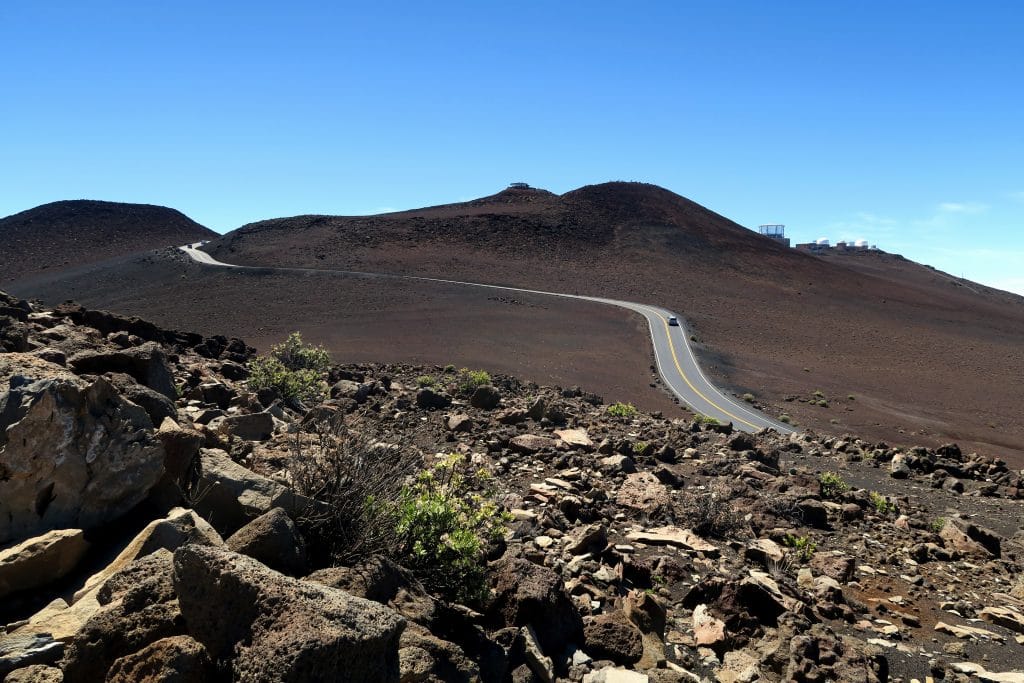
Getting around Hawaii from Big Island requires a bit more planning than you might expect. Hawaii Island is the largest island in the archipelago and sits at the southeastern end of the island chain, so travelling onward usually means flying rather than taking a ferry. Kona and Hilo airports act as the main gateways, with frequent inter-island flights connecting to the rest of the state. Once you understand how these air routes link the islands, planning your itinerary becomes much simpler.
- To/from Oahu: Oahu is the main transport hub of Hawaii and the arrival point for most international flights. Several daily flights connect Kona and Hilo with Honolulu, with a flight time of around 45 minutes.
- To/from Maui: Maui is one of the most common next stops from Big Island, particularly for divers. Flights between Kona and Kahului usually take around 40 minutes and run several times per day. From Kahului Airport, most dive centres and harbours are within an hour’s drive. Maui also offers a ferry service to Lanai, with a 45-minute ride.
- To/from Kauai: Kauai sits at the northwestern end of the Hawaiian chain. Flights from Big Island typically connect through Honolulu, though direct routes occasionally operate from Kona depending on the season. Once you arrive in Lihue, renting a car is the easiest way to explore the island’s coastline and reach remote beaches or boat departures along the Napali Coast.
- To/from Molokai: Molokai remains one of the least visited islands in Hawaii and has a much slower pace of life. From the Big Island, you’ll usually connect through Maui before continuing on a small regional flight. Many of these routes are operated by Mokulele Airlines, using small propeller planes that offer spectacular views of the reefs and volcanic coastline along the way. Once on Molokai, renting a car is the most practical way to explore the island.
Do you need more information to plan your trip to Hawaii?
Check these additional articles about travelling and scuba diving in Hawaii: