

If you arrived here, it means you are probably ready to start planning your adventurous trip to Malta. The Maltese Islands might be small, but they pack in everything you could hope for in a Mediterranean escape: ancient cities, turquoise coves, and some of Europe’s most accessible wreck dives.
The tiny archipelago, which lies south of Sicily and north of Libya in the Mediterranean Sea, consists of three islands: Malta, Gozo, and Comino. Make sure togive yourself at least a week to explore them all. The Maltese Islands are easy to travel to, easy to explore, and full of surprises. Let me show you how and what to take into account so you can include as many fun things to do in Malta as possible while having a smooth and enjoyable trip.
My top tips to travel smarter to Malta


The easiest and cheapest way to get to Malta
The easiest way to get to Malta is by flying, but it is not the only option (you can also take a ferry from Sicily, Italy). As Malta is a popular destination for summer holidays in Europe, the time of the year you’re going to will have an impact on fares (the lowest prices are usually found during Spring and Winter) but also how much in advance you book. I recommend booking your flight at least 3 to 4 months ahead. The Malta International Airport (MLA), located near Luqa, connects directly with most major European cities.
A return ticket to fly to Malta starts from:
- 120€ from Paris
- £95 from London
- 190€ from Frankfurt
- 100€ from Rome
- 90 € from Barcelona
For travellers from North America, there’s now a direct seasonal flight from New York City, making the Mediterranean just one hop away. If that route isn’t running, you can connect easily through any major European hub. Coming from Asia-Pacific? Flights via Istanbul (Turkey) and Doha (Qatar) are the most convenient options — both have direct routes to Malta and excellent long-haul connections.
Learn more about how to get to Malta from different places worldwide, including the main airlines serving the destinations and alternative routes, which can help secure better deals.
The best season to visit Malta away from the crowds
Malta enjoys more than 300 sunny days a year, so there’s really no bad time to go — but there are smarter times.
- Best season (June to October): Warm weather, calm seas, and lively energy everywhere. Ideal for both diving and sightseeing.
- Spring (March–May): Sunny but windy, the weather can affect boat trips and diving conditions. However, this shoulder season is ideal to explore and dive in Malta for less and away from the crowds.
- Winter (November–March): Quiet and affordable, though many dive centres close. A few remain open year-round except around Christmas, particularly for technical divers.
If you want perfect water conditions, warm evenings, and a relaxed pace, mid-September to early October is your sweet spot.
How to explore the Maltese Islands efficiently
If you wonder how to get around Malta during your trip, it’s worth knowing that the affordable public buses cover the main routes. However, they can be slow and crowded in summer. For information, it takes about 20 to 30 minutes to reach Valetta or Sliema by taxi or by bus.
For true freedom, renting a car is your best option, especially with scuba diving gear in tow. Just remember: In Malta, driving is on the left — a legacy of British influence. Roads are in decent condition, though they can be narrow in villages. Between Malta and Gozo, the Gozo Channel Ferry is reliable and inexpensive. It runs every 45 minutes and takes about 25 minutes. The ferry also carries cars, so if you plan to rent one, you can easily take it across.
Book a place to stay that matches your preferences and budget


Best areas to stay based on your preferences
Considering where to stay in Malta is all about the type of activities you want to pursue during your trip. My favourite spots as a scuba diver are Sliema and Xlendi. Despite its small size, Malta offers a surprisingly diverse range of stays — from urban boutique hotels with sea views to rustic farmhouses surrounded by stone walls. Where you stay will shape your whole experience.
- Sliema (Malta): Ideal if you want easy access to dive centres, restaurants and nightlife in a walkable seafront town. Sliema is the neighbour of Valletta, the capital of Malta and a UNESCO World Heritage Site. You can be there in 15 minutes thanks to the small ferry crossing the harbour.
- Mgarr (Malta): If you want to discover the rural side of the main island, this area is ideal and gives you direct and easy access if you rent a car to some of the most stunning natural and historical sites: Golden Bay, Mdina old town, or Dingli Cliffs.
- Xlendi (Gozo): Great for divers and nature lovers who want a quiet and charming stay. The small harbour of Xlendi offers easy access to Gozo’s top shore dives and hikes along its iconic cliffs. There is one bus every hour to Victoria, but the best is to rent a car.
- Victoria (Gozo): Gozo’s main town, where you’ll find historical sites and the best local restaurants of the country. Many festivals and events are frequently organised at its ancient citadel. Located at the centre of the island, it’s easy to go everywhere with the bus network.
Accommodation in Malta is more affordable than you think
Prices vary depending on the season, but Malta remains one of the most budget-friendly destinations in the Mediterranean, as long as you travel outside of July and August. Here are some guidelines about average prices you can expect in Malta depending on the level of comfort you’re looking for:
- Budget guesthouses & hostels: 30€ –50€ per night
- Mid-range boutique hotels or farmhouses: 80€ –150€ per night
- Luxury stays or private villas: from 200€ and up
Top tips for scuba divers going to Malta

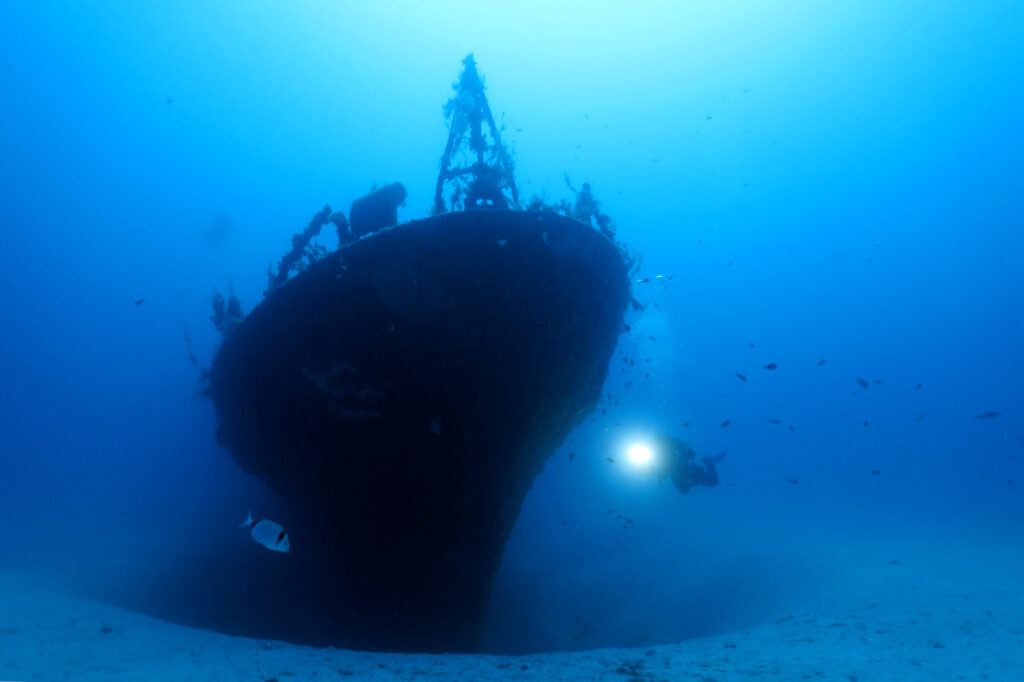
Malta and Gozo have long been favourites among European divers — not for coral reefs, but for their exceptional wrecks, visibility, and easy logistics. Whether you’re a beginner or tech diver, there’s something here for you. Most diving in Malta is shore-based, with easy access points marked and managed.
Among the best dive sites you shouldn’t miss there is the Um El Faroud, a 110-meter-long oil tanker turned artificial reef, and the Gozo Blue Hole, famous for its geological formations and dramatic light. Expect groupers, octopus, barracudas, and macro surprises like nudibranchs and seahorses. Malta’s waters aren’t tropical, but the clarity and light underwater make every dive unforgettable — especially for photographers. Visibility is usually at least 20 m and reaches 40 m around August-September.
Many dive centres operate year-round, though some close between November and March (note the ones staying open usually close at least around the Christmas holidays). The water temperature is at its coldest in February at 15°C (best with a semi-dry or dry suit) and at its warmest in September, reaching up to 26°C (warm enough for a 5mm wetsuit).
Do you need more information to plan your dive trip to Malta?
Check these additional articles about travelling and scuba diving in Malta: