

Located in South East Asia, Thailand has been the center of attention of international tourists for decades now, either backpackers or affodable luxury seeking holiday makers. Know for its islands, beaches, national parks and temples across popular destinations like Bangkok, Phuket or Chiang Mai, Thailand offers contrasting experiences from the north to the south and from the Andaman Coast to the Gulf of Thailand. When planning a trip to Thailand, the first things you should consider are how to get there, which region to visit, which airport to use, and the best season to book to avoid expensive fares and overwhelming crowds.
How to fly to Thailand?

Did you know Thailand has 9 international airports serving different regions? Depending on where you start and which area of Thailand you want to visit, consider which airport you’ll arrive at. Also, just because they are named “international”, they don’t have direct flights from everywhere in the world.
Here are the top 3 airports:
- Bangkok – Suvarnabhumi International Airport (BKK)
Region served: Central Thailand / Bangkok metro
Direct flights: Europe, the Middle East, East Asia, South Asia, Southeast Asia, Central Asia, Africa
Importance: Main hub for Europe/UK/USA long-hauls; key entry point for Japan & Australia (often via connections).
- Phuket International Airport (HKT)
Region served: Southern Andaman Coast (Phuket, Krabi, Phang Nga)
Direct flights: Europe, the Middle East, East Asia, South Asia, Southeast Asia, Central Asia, Australia
Importance: Strong for European leisure tourists & Australian holidaymakers; big beach gateway.
- Bangkok – Don Mueng International Airport (DMK)
Region served: Central Thailand / Bangkok (low-cost)
Direct flights: East Asia, South Asia, Southeast Asia, Middle East
Importance: Secondary hub for regional Asian tourism, often for continuing flights within Asia
Additional convenient airports for scuba divers:
- Krabi International Airport (KBV) for the Andaman Sea
Krabi (KBV) is a smaller one you can fly to from DMK if you are already in Thailand or Asia. There are direct flights available from Singapore, Malaysia, and the UAE to Krabi. This airport is the closest to Krabi town and parts of the Andaman Sea, like Koh Lanta.
- Koh Samui (USM) and Surat Thani Airport (URT) for the Gulf of Thailand
If you want to visit Koh Samui, Koh Tao or Koh Phangan, you can look for flights to one of these airports. Koh Samui serves arrivals from China, Singapore, Hong Kong and Thailand. Surat Thani is domestic-only, even though it´s labelled “international”.
- Hat Yai Airport (HDY) for the southern islands in the Andaman Sea
Hat Yai serves domestic flights and international flights from Malaysia. If you plan to start your trip with island hopping from South to North, this could be a good arrival point.
How much does it cost to fly to Thailand?

The cost of flying to Thailand varies depending on the airline, the time of year, and the departure city. Before booking, it’s always a good idea to compare prices and check for any deals or promotions to get the best value for your money. Here are some average return ticket prices of flights to Bangkok (BKK):
From Europe/UK:
- Frankfurt/Munich: 750€ to 1000€ (direct flight)
- Paris: 450€ to 800€ (direct flight)
- London: £400 to £900
From Europe, you can choose from many airlines to fly to Thailand. The most convenient are the direct non-stop flights, operated mainly by Thai Airways. Travel time is around 11 hours. If you are okay with a longer flight time and stopovers, you can often find the best offers with connections through the UAE.
From the USA:
- Los Angeles: 650 USD to 1,200 USD
- San Francisco: 650 USD to 900 USD
- Seattle: 700 USD to 800 USD
- New York: 750 USD to 900 USD
If you’re flying from the U.S. to Thailand, you’ll always connect at least once (often in Asia or the UAE). There is no current nonstop service from U.S. airports to Bangkok (BKK). Flight time is around 20 hours, and the prices are significantly higher during peak season around Christmas.
From Australia & New Zealand:
- Sydney: 500 AUD to 750 AUD
- Auckland: 1.000 NZD to 2.000 NZD
From Japan:
- Tokyo: 40.000 JPY to 95.000 JPY (270 USD to 650 USD)
From Singapore:
- $150 – $450 SGD
When is the best time to go to Thailand?

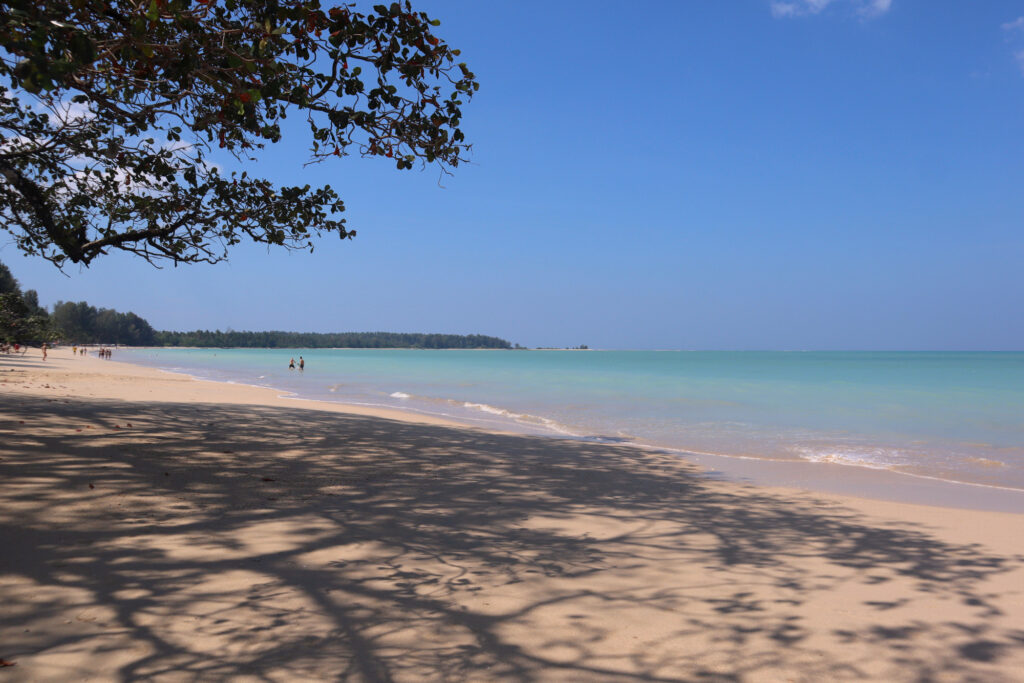
Thailand has a tropical climate, with warm temperatures and high humidity year-round. The best time to visit is the dry season, which can differ depending on the location. While the part of Thailand from Chiang Mai to Phuket via Bangkok (Northern, Central and Andaman Coast) has its dry season from November to April, the Gulf of Thailand (Koh Samui and Koh Tao) has its dry season from February to September. The dry season offers the most comfortable weather. During this time, the temperatures in South Thailand range from 24 to 30°C (75 to 86°F), and there is less rainfall. The average water temperature in Thailand is between 27 and 30°C (81°F and 86°F) all year round.
The peak tourist season is on the Andaman coast from December to February, and on the Gulf of Thailand from May to June, so expect higher prices at that time. The rainy season varies between Chiang Mai and Phuket via Bangkok (Northern, Central, and Andaman Coast) from May to October, and between the Gulf of Thailand (Koh Samui and Koh Tao) and January.
The best season to plan a scuba diving tour of Thailand on both the West and East coasts is from February to April. Also, the marine national parks on the West Coast are closed during the rainy season for different durations. The Similan and Surin Marine National Parks are closed from the 16th of May to the 14th of October every year, and the dive sites of the Lanta Marine National Park are closed from the 1st of July to the 30th of August.
What visa do you need for Thailand?

Thailand offers a generous 60-day stay, which can be extended for another 30 days for 93 countries and territories through a visa exemption upon arrival. Another 31 countries and territories can apply for a visa on arrival for 15 to 60 days. However, it’s always a good idea to check with the Thai Embassy in your country before travelling to confirm the visa requirements.
Since May 2025, the Thailand Digital Arrival Card (TDAC) has been mandatory for all foreigners entering Thailand. At least 3 days before arrival, make sure to complete the TDAC online before boarding your plane.
Do you need more information to plan your trip to Thailand?
Check these additional articles about travelling and scuba diving in Thailand: