


This post may contain affiliate links. It means I may earn a commission if you book or purchase something. This is at no cost to you and support this website. Learn more here.
For over a decade, Koh Tao has been my base for diving in Thailand, but after exploring the Andaman coast for the first time last year, I stumbled upon an island I might like even more. In the south of Thailand, not far from the border with Malaysia, Koh Lanta is not one but two islands linked by a bridge, a short ferry ride away from the mainland.
It shares a vast bay with its famous neighbours, Phuket and Koh Phi Phi. Yet, for some reason, Koh Lanta has stayed under the radar compared to these islands, which are now struggling with overtourism. With its 30 km of west-facing sandy beaches, Koh Lanta has kept a chill vibe, offering a welcome sense of space and some of Thailand’s most breathtaking sunsets — and diving that is nothing short of world-class.
Perhaps 15 years of diving around the world made me a little more demanding as a diver, but something about Koh Lanta resonated with my earliest memories of Thailand. So, I returned for 2 weeks to confirm my feelings. Here is everything you need to know about diving in Koh Lanta, what you can also do on land, and why it might just be the spot you’ve been looking for diving in Thailand, beyond Koh Tao.
Diving in Koh Lanta at a glance
How good is diving in Koh Lanta?
Where do you go diving from Koh Lanta?

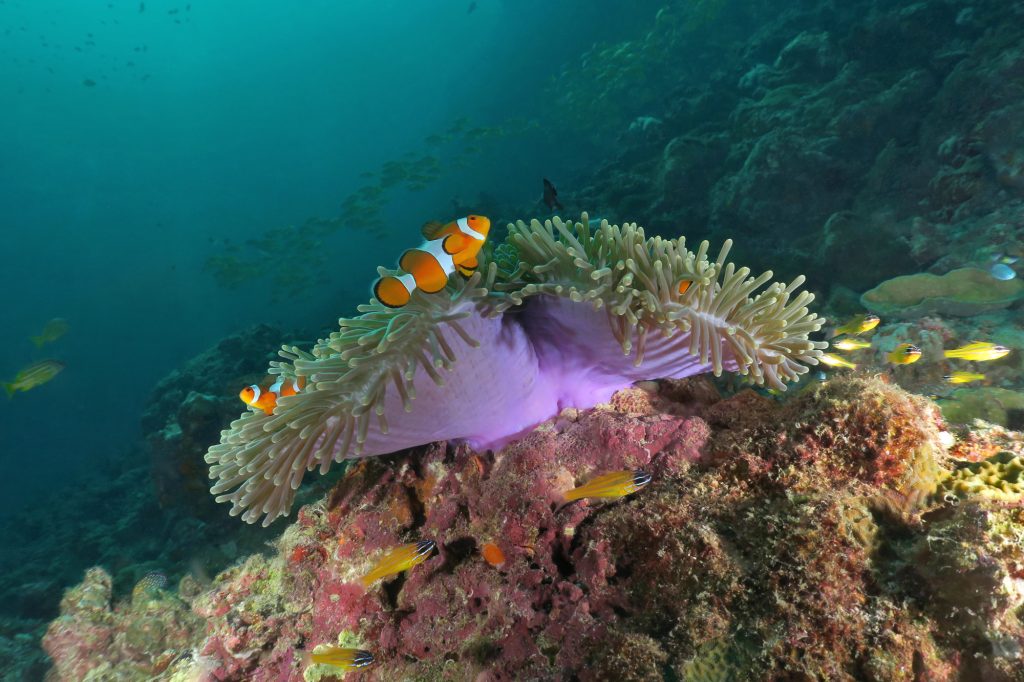
From Koh Lanta, you can access 2 marine national parks — Mu Ko Lanta and Mu Ko Phi Phi — home to a dozen world-class dive sites. The only real downside is that reaching these sites requires a significant boat ride each day.
Dive centres typically use either large, converted fishing boats that offer a full-day experience with lunch on board and ample space for napping comfortably, or speedboats that reduce the travel time to 45–60 minutes each way, allowing you to explore Koh Lanta on land in the afternoon.
Mu Ko Lanta National Park
I believe this is Thailand’s most underrated diving area. Like most divers, I had always heard about the Similan Islands and Richelieu Rock. However, the names Koh Haa and Hin Daeng never crossed my path until I was there. I like the tremendous diversity of Koh Haa so much that I made sure to dive it multiple times, to confirm I had found my favourite dive spot in Koh Lanta.
Koh Haa
Koh Haa, which means “five islands” in Thai, is a tiny archipelago of rocky islets in the Mu Ko Lanta National Park. Its dive sites offer something for everyone—from shallow coral gardens to deep walls, as well as captivating swim-throughs and caverns. It is an ideal spot for beginners and experienced divers alike.


On my first trip, I spent two consecutive days diving Koh Haa, travelling there once on a slow boat and once on a speedboat. Both had their charm — napping in the sun on the slow boat or being the first divers in the water with the speedboat.
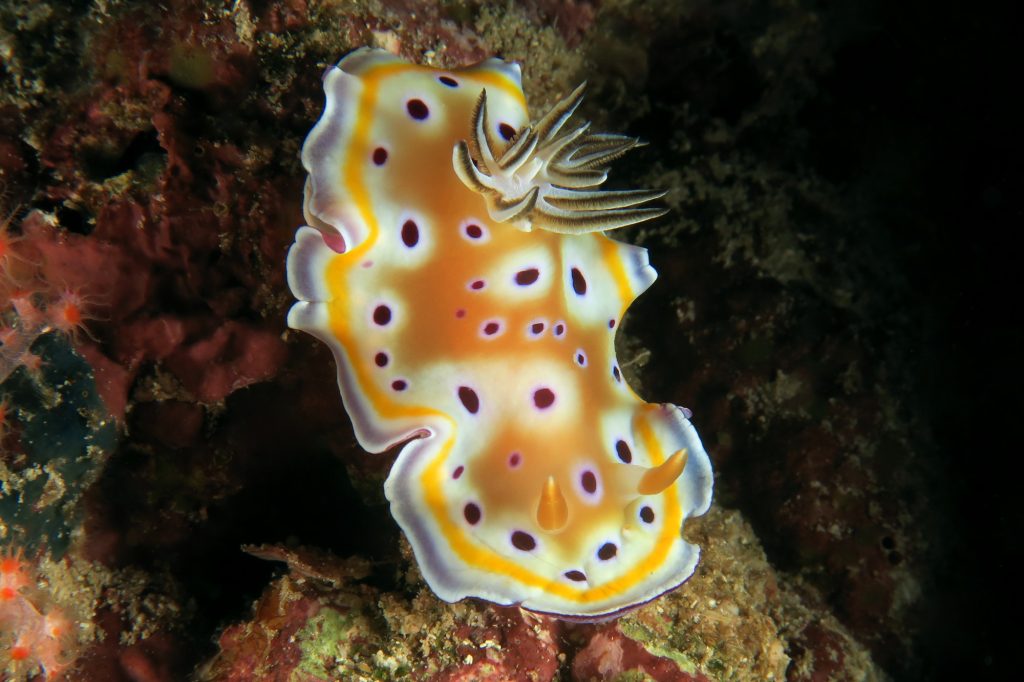
Divers usually discover the area with Koh Haa no.3, known as “Corner Lagoon.” While keeping an eye out for bull or leopard sharks that sometimes frequent its depths, I admired the vibrant soft corals in all shades of red, purple, and orange, enveloped in a mesmerising layer of pygmy sweepers. It was there that I found some of the most beautiful nudibranchs, such as the mosaic halgerda and the twin chromodoris.


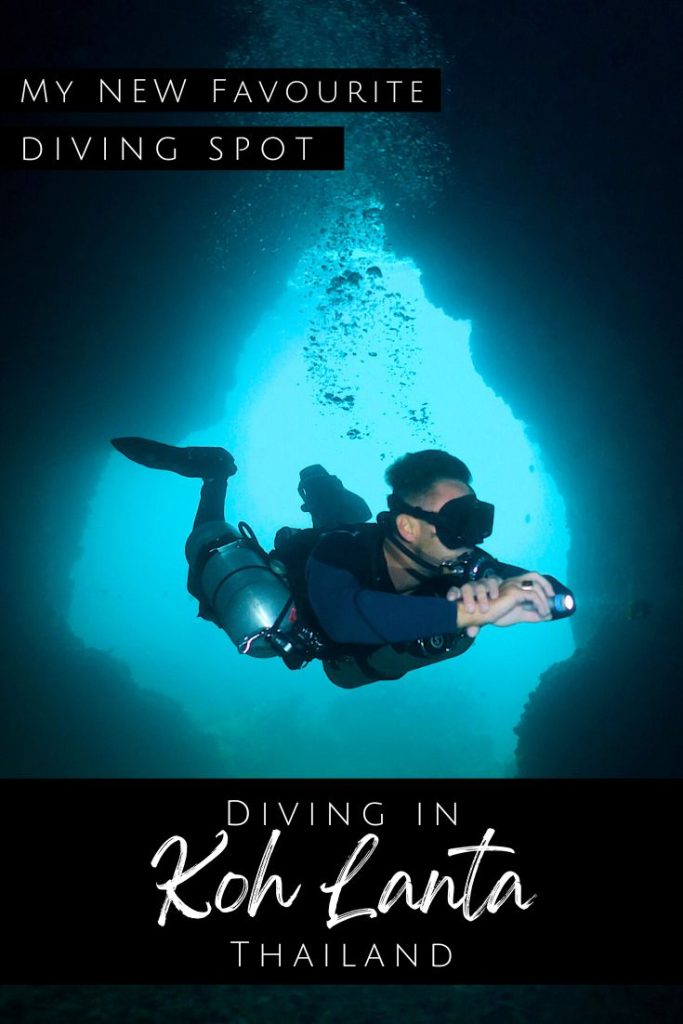
Koh Haa no.5 is rightfully nicknamed “Cathedral” for its two interconnected underwater caverns. The entrance is adorned with corals, and making the U-turn to look back at the glowing blue opening is enchanting. I had a particularly memorable encounter with the resident giant grouper here. This two-meter-long grouper kept its distance but showed a curious and friendly demeanour, allowing me to take a few shots I was delighted with. On a return visit in 2025, I didn’t see the grouper, but a couple of batfish came to say hello as I exited the cavern.
My absolute favourite dive site was Koh Haa no.1, nicknamed “Chimney” for its narrow vertical tunnel. Navigating this swim-through requires impeccable buoyancy control and gentle frog kicks, but it is well worth the effort. The walls are decorated with colourful bouquets of soft corals, and there are many more arches and canyons to explore.


Returning the following year, I noticed that indeed the soft corals had suffered from the heat wave that occurred after my first visit. But there were signs of regrowth. The magic was still there. Koh Haa remains, to me, the best dives you can do while in Koh Lanta.
My dive parameters
- 18/01/2024 – Koh Ha Lagoon – Corner no.3 : 24 m – 58 min – 26°C
- 18/01/2024 – Koh Ha no.5 – Cathedral (giant grouper): 20 m – 60 min – 25°C
- 18/01/2024 – Koh Ha Neug no.1 – Chimney : 24 m – 43 min – 27°C
- 20/01/2024 – Koh Ha Lagoon – Corner no.3 : 26 m – 59 min – 27°C
- 20/01/2024 – Koh Ha Neug no.1 – Chimney (turtle) : 23 m – 57 min – 27°C
- 11/02/2025 – Koh Haa (cave) : 18 m – 68 min – 27°C
- 11/02/2025 – Koh Haa (lagoon) : 20 m – 62 min – 27°C
Hin Daeng & Hin Muang
These two offshore pinnacles are legendary among divers for manta ray and whale shark encounters, particularly around March and April. Their name in Thai means ‘red and purple rocks’ due to the beautiful, soft corals that inhabit them. On my first trip, a jellyfish bloom kept most boats away, so I made a point to return the following year and finally see them for myself.
The dives were dramatic, with swirling fusiliers and schools of batfish and trevally cruising in the currents. At the time of my most recent visit, these two dive sites displayed the most stunning bouquets of soft corals (in orange, yellow, pink, purple, and red) of all the dive spots accessible from Koh Lanta. Although I didn’t get lucky with any big pelagic species this time, the site’s potential is clear. If you’re spending enough days in Koh Lanta, it’s worth trying Hin Daeng & Hin Muang more than once — your reward could be a manta or even a whale shark.


My dive parameters
- 06/02/2025 – Hin Muang : 29 m – 52 min – 27°C
- 06/02/2025 – Hin Daeng : 24 m – 63 min – 27°C
Mu Ko Phi Phi National Park
During my first trip, I quickly understood that the bay connecting Phuket, Krabi, and Koh Lanta is a spectacular underwater playground. The Phi Phi islands sit right in the middle, allowing access from any point. The two southernmost tips of the archipelago, Koh Bida Nok and Koh Bida Nai, are a paradise for divers.
Koh Bida Nok & Koh Bida Nai
When I went diving there for the first time, I immediately recognised the dramatic karst limestone islands that have made Koh Phi Phi internationally famous. The steep cliffs of Koh Bida Nai and Koh Bida Nok rise dramatically from the sea, and underwater, the spectacle continues. These sites are buzzing with life — clouds of yellow snapper, brightly coloured gorgonians and harp corals, clownfish peeking out of anemones, all while turtles and sharks are passing by. These sites are absolute must-dives from Koh Lanta.


Seconds after descending at Koh Bida Nok, I was greeted by a dense school of shimmery diamond fish. A few fin kicks later, passing by sea anemone after sea anemone, I got one of my most memorable diving moments in the area: a squad of reef squid was hovering near the surface, their bodies shimmering in rainbow colours, seconds before young blacktip sharks started swimming all around us in the shallowest part of the lagoon. And then came the treasures of the reef: a bright yellow tigertail seahorse, a harlequin ghost pipefish, and nudibranchs such as the much-desired flabellina.
On my second visit, the visibility was much better, and the diving was even more spectacular. We saw even more blacktip sharks, a couple of cuttlefish, a giant moray eel, and a harlequin ghost pipefish. Right before our safety stop, we found the most beautiful red gorgonian hanging from a steep wall as giant trevally swirled around us.


My dive parameters
- 17/01/2024 – Koh Bida Nai : 21 m – 67 min – 25°C
- 17/01/2024 – Koh Bida Nok : 16 m – 62 min – 27°C
- 09/02/2025 – Koh Bida Nok : 17 m – 58 min – 27°C
Hin Bida
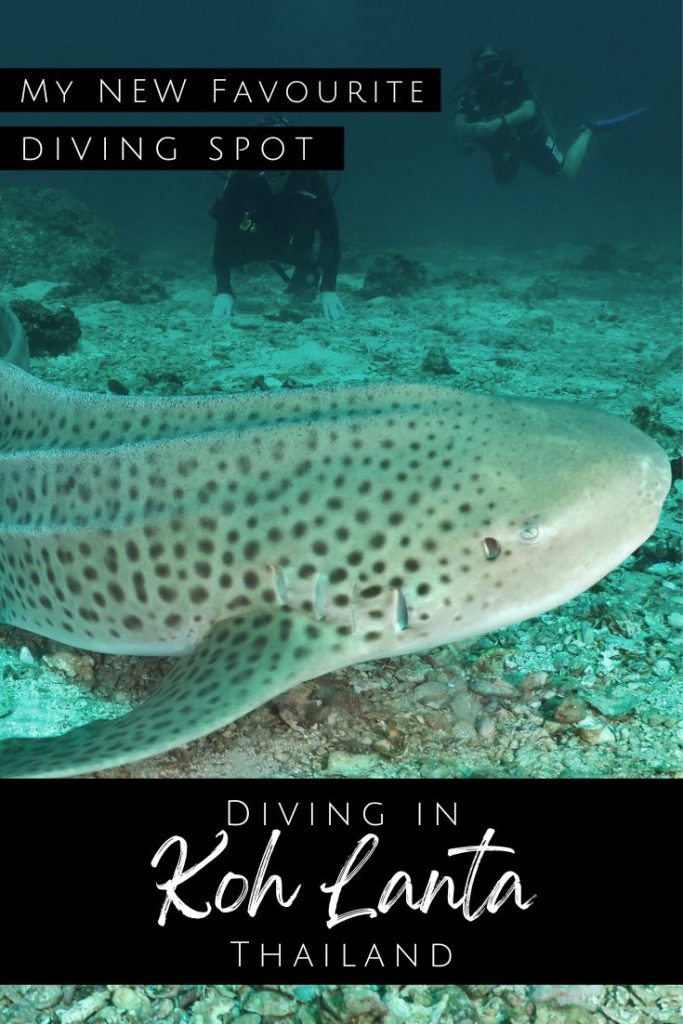
During my first trip, I regretfully didn’t have Hin Bida on my list. A unique dive site with fingers of reef and sandy bottoms in between, it is known for its resident leopard sharks—a sight I hadn’t seen since New Caledonia in 2018. On my second trip, I made a point to dive here. They say a leopard shark sighting is almost guaranteed, but I wasn’t lucky on my first attempt.
My patience paid off on the second attempt when we came across three of them resting on the sandy bottom. These elegant animals are about 2 m long and incredibly peaceful. With their long, undulating tails and calm movements, they were a joy to watch. The reef also had plenty more to offer — scorpionfish tucked into barrel sponges and dense schools of snappers.


My dive parameters
- 13/02/2025 – Hin Bida : 20 m – 55 min – 27°C
- 09/02/2025 – Hin Bida : 16 m – 50 min – 27°C
When is the best season to go diving in Koh Lanta?

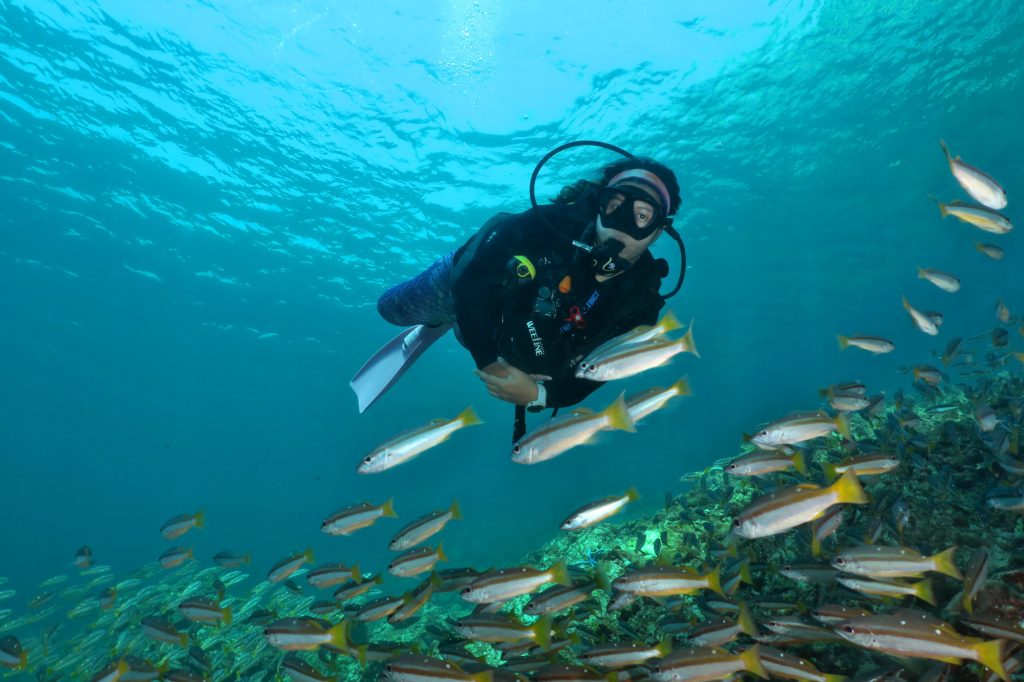
The dry season, from November to April, is the ideal time to visit Koh Lanta for diving, with calm seas and clear visibility. Peak conditions typically occur between February and April, and this is also when you have a higher chance of spotting a whale shark. You can always expect warm water, generally between 26 and 30°C. I recommend a full 3mm wetsuit, just in case you run into a jellyfish bloom.
The monsoon season runs from May to October, during which many dive shops and hotels close. Note also that national parks close annually on the Andaman side (including Mu Ko Lanta and Mu Ko Phi Phi), from the 1st July to the 30th of August so the reefs can rest.
Regarding the rainy season, it is essential to know that Thailand has two distinct rainy seasons. The Andaman coast, which includes Koh Lanta, experiences its monsoon from May to October, while the Gulf of Thailand (Koh Tao and Koh Samui) has its rainy season from October to January. This means you can dive year-round in Thailand by choosing your destination wisely.
What can you see underwater in Koh Lanta?

In Koh Lanta, the diversity of marine life is tremendous. For those who love pelagic species, it is a key destination for leopard and blacktip sharks. While whale sharks and manta rays are not a regular sight, they are known to pass through the Hin Daeng & Hin Muang sites, especially from February to April.


During my 2 dive trips in Koh Lanta I came across varied marine species. The list might not be long but I encountered some species I had never seen anywhere else in the world (the seahorse & rainbow nudibranch):
- Turtles
- Batfish
- Giant groupers
- Giant trevally
- Clownfish in purple sea anemones
- Tiger-tail seahorse
- Harlequin ghost pipefish
- Peacock mantis shrimp
- Nudibranchs (mozaic halgerda, twin chromodoris, much desired flabellina, dainty rainbow chromodoris, bornella eel)
Who should you dive with?

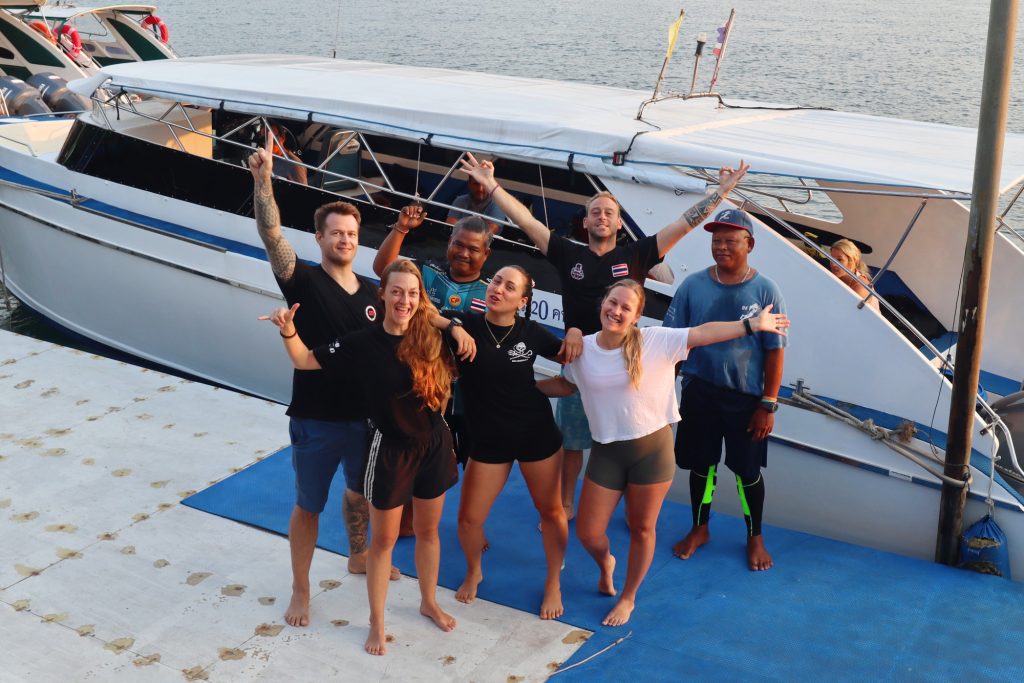
I can highly recommend OK Club Diving in Koh Lanta. They are both a recreational and technical dive centre, with expert guides who spot creatures most divers would swim right past. On my first visit, I dived with them from other centres’ boats while their speedboat was being renovated.
On my second trip, I finally boarded their new speedboat, and it completely transformed my experience. There is a slight price difference between the slow boat and the speed boat, but both options have their merits. A full day on a slow boat is a relaxing journey but takes an entire day, a speedboat gets you to the sites early, often before the crowds arrive.


Leaving at sunrise from their private pier (6.30 am), we were always the first scuba divers in the water after a 45-minute boat ride, and before 1 pm, we were already back in Saladan, enjoying a delicious Thai lunch box at their pier before heading out to the beach. The speedboat was spotless and comfortable, with plenty of space, shade, cushioned benches, and even a marine toilet.
Since their private pier is in Saladan, I chose accommodation just across the street, allowing me to wake up at 6 am and still be one of the first to board. The team offers a free pickup service anywhere in the area going from Saladan to Klong Nin, but be prepared for an even earlier start if you stay downsouth.
What else can you do in Koh Lanta?

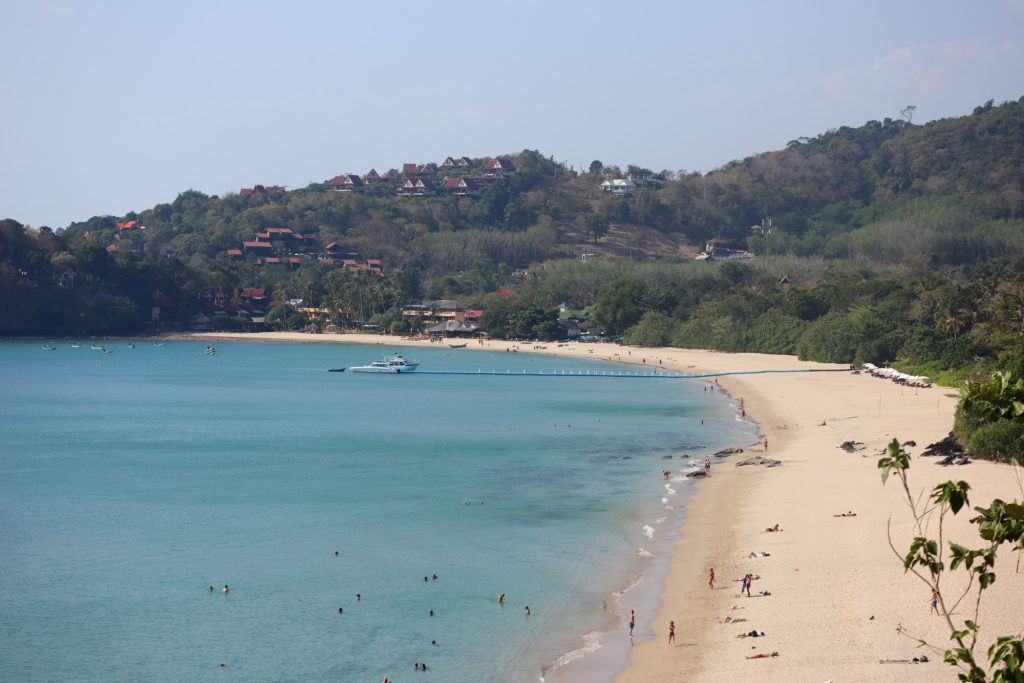
Koh Lanta isn’t only about diving. Between dives, I explored the island on a scooter. I loved driving on the quiet, winding roads lined with colourful hibiscus. In the center of the island, it’s quite commong to see monkeys jumping between palm trees and electric poles.
On the East Coast, Old Lanta Town is a perfect combination of culture and local life. Wandering through its streets, you can admire the old wooden houses with their red lanterns swinging in the wind. The view from the wooden piers, built on stilts above the sea, is stunning with the hilly islands of Lantai Noi, Koh Kam and Koh Por in the background.


On each of my visits, I had lunch at Shine Talay, a local favourite known for its fresh seafood and unique dishes like spicy sea grape salad. Talking about enjoying delicious Thai food in Koh Lanta, the Old Town is not the only place to go, I indulged more than once the authentic and affordable cuisine at Baifern in Saladan Harbour and Yawee near Relax Bay.


Koh Lanta Yai’s western shore is lined with beautiful beaches, especially the ones in the southern part of the island. My favourites are Kantiang Bay, Nui Bay, and Laemtanod Beach. The latter is located in the National Park at the southern tip of the island. The latter is by far the most scenic, with a its lighthouse overlooking it. Be sure to climb the nature trail after the lotus pond for a breathtaking view from above.


However, don’t skip the northern beaches of the island, they perfectly face the West and as a result offer some of the best sunsets in Thailand. My favourite spots to enjoy sunset drinks in Koh Lanta: Fusion Bar at Relax Bay and Pangea Bar at Phra Ae Beach
Just a bridge away, Lanta Noi is the quiet side of Koh Lanta in the north. It is far more rural with small villages dotting the empty roads. The Sea View restaurant is the ideal objective for a scooter trip: it offers a perfect viewpoint of the skull-shaped island of Koh Phee and the opportunity to refresh with a cold coconut. If it weren’t for the low tides, I would have kayaked across to explore it. Next time, I’ll check the tides and have enough time to make the trip.
What are the best ways to get to Koh Lanta?

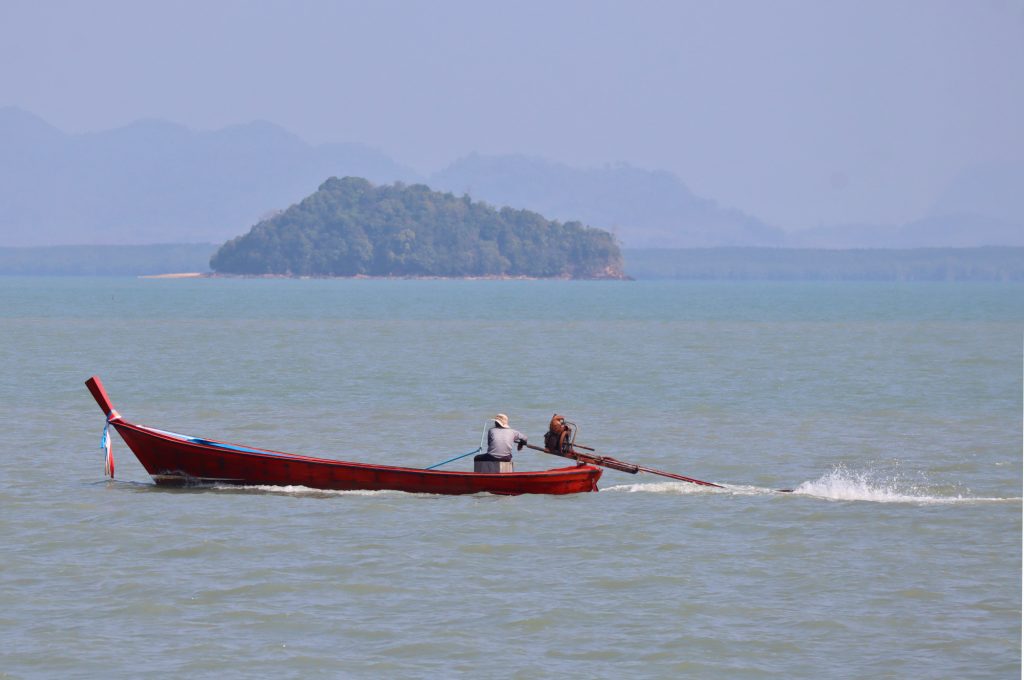
From Krabi
The closest airport is Krabi, with frequent domestic and international flights (direct flights from Kuala Lumpur, Singapore, and Dubai). This year, I flew from Bali to Krabi via Kuala Lumpur. It was much simpler (and cheaper) than flying to Bangkok and then going south. To find the best prices on flights to Krabi Airport, you can easily compare options on Trip.com.
From there, you can take a minivan or private transfer, crossing by ferry to Koh Lanta while staying on them. Minivans cost around 300–500 THB (8-13€) and only go at certain times, while a private car is more flexible schedule wise (expect to pay around 1500 THB or 40€). Allow 2 to 2.5 hours to go from Krabi Airport to Koh Lanta. Check prices and book online here.
From Phuket
You can also arrive from Phuket, combining a stay there with a ferry transfer via Koh Phi Phi. I did this on my first trip after a liveaboard in the Similan Islands and loved exploring Phuket Old Town before catching the boat at Rassada Pier — a nice way to break the journey. I paid 1500 THB (40€) for the speed ferry, but there are cheaper options with slower boats. It took me 1.5 hours to go from Phuket to Koh Lanta. Note the last direct boats usually leave around 12.30 pm so plan accordingly. Check prices and book online here.
Even if you don’t do a liveaboard in the Similan Islands like me, you can use Phuket Airport as an alternative. It has way more direct international connections, so it can be an excellent option depending on where you come from. To find the best prices on flights to Phuket Airport, you can easily compare options on Trip.com. There are some mini vans going directly from this airport to Koh Lanta, but it takes 5.5 hours on average. It takes about 1 hour to transfer from the airport to Rassada Pier, so if you can plan accordingly, taking the ferry is a faster option.
It is worth nothing that there are also diving liveaboards leaving from Phuket which explore what is known as the South Andaman area. Koh Phi Phi and Koh Lanta marine national parks are on their itinerary. The best boats are the Mandarin Queen 9, the Thailand Agressor and the Merdeka 3. Prices start from 540 € for 3 days/2 nights liveaboard, including 8 dives.
Where to stay in Koh Lanta?

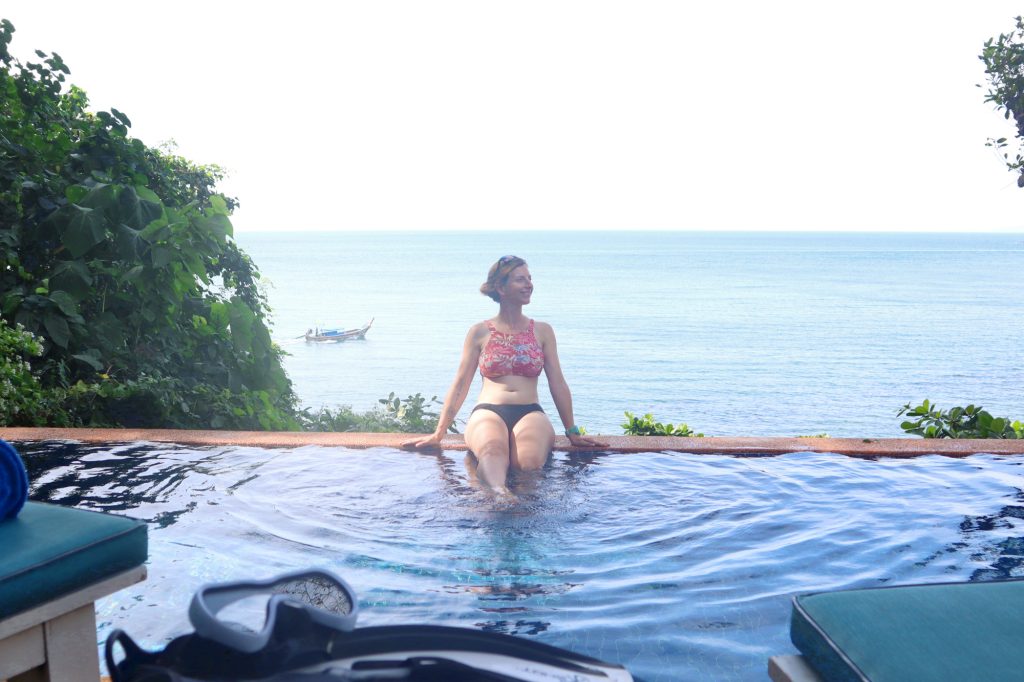
If you’re diving, the most convenient option is to stay near Saladan Harbour in the north. Most dive boats leave at sunrise, and being close to the harbour means a little extra sleep before the early departures. It’s also where the main shops, markets, and restaurants are located, making it very practical as its streets are walkable.
That said, the south of Koh Lanta offers quieter stays closer to the best beaches. On my first trip, I stayed there for a few nights towards the end of my stay, and while it was peaceful, I found it less convenient for diving. On my second trip, I based myself in Saladan and used a scooter to reach the beaches in the afternoons after diving—a combination that worked perfectly.


The first time I arrived in Koh Lanta was right after a liveaboard, so I treated myself to a few nights in a luxury resort at the Avani+ Koh Lanta. Set on two hills with private beaches and lush gardens, it was the perfect retreat after a week of diving. My villa had its own pool overlooking the Phi Phi islands, and even a family of hornbills nesting nearby.
Between a breakfast picnic on the beach, a spa treatment, and incredible Thai food, it was a splurge that left me fully recharged. The Avani+ resort is located 10 minutes driving away from Saladan Harbour, so it’s a great location for the early starts of the scuba diving trips in Koh Lanta.


On my second visit, I stayed for two weeks at The Tide House, a guesthouse in Saladan by the harbour, litterally across the street from OK Club Diving’s pier. I had a top-floor room with a corner balcony and a mini-fridge and a kettle, which was perfect for a quick coffee while watching the sunrise before boarding the speedboat. I was the last one to wake up and the first one back for shower. Besides, I had easy access to all the main stores and restaurants, including its lively night market with the best mango sticky rice on the island.
Do you need more information to plan a dive trip to Thailand?
Check these additional articles about travelling and scuba diving in Thailand:
This article was written in partnership with the Tourism Authority of Thailand. As always, all my views and opinions are my own and reflect my experience honestly.
PIN IT FOR LATER



What an amazing diving experience in Koh Lanta! The variety of shark species you encountered – leopard sharks, blacktips, bull sharks, AND whale sharks – is incredible. Thailand’s dive sites really do offer something special. I’m curious about the bull shark encounters you mentioned – were they at specific sites or seasonal? The Andaman Sea has such diverse marine life. Your enthusiasm is contagious! Thanks for sharing your adventure – you’ve definitely put Koh Lanta higher on my list!
Sorry I never got to meet the bullsharks so I cannot tell you more, but peak conditions are usually around February-April in Koh Lanta. Thanks for the kind feedback!